
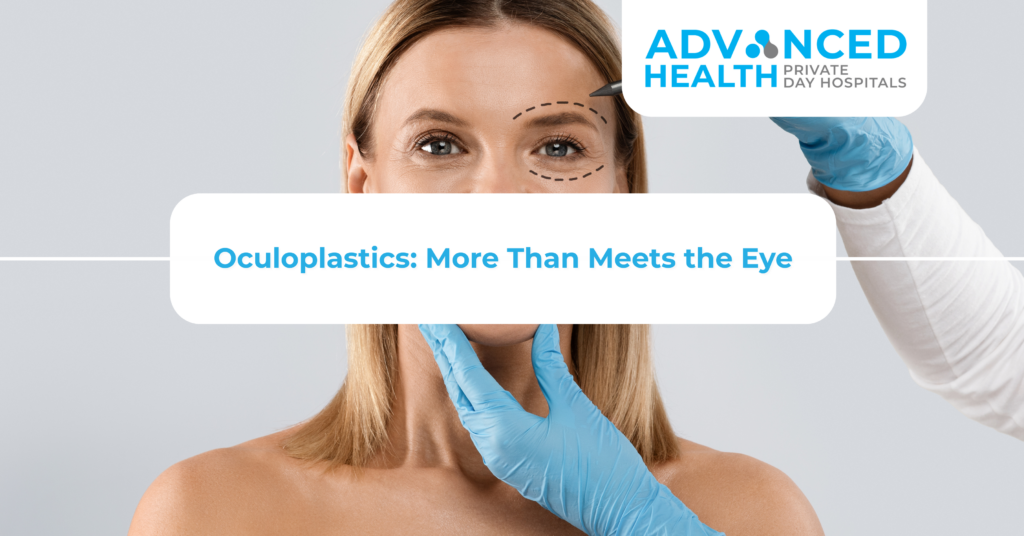
When we think about eye health, we often focus on vision. However, the eyes and the delicate structures surrounding them play an equally important role in how we see, function, and present ourselves to the world.
Oculoplastic surgery is a specialised field of ophthalmology that focuses on the eyelids, tear ducts, eye sockets (orbits), and the surrounding facial structures.
What Does an Oculoplastic Surgeon Do?
Oculoplastic specialists diagnose and manage a wide range of conditions affecting the structures around the eyes. These include:
- Drooping eyelids (ptosis)
- Excess eyelid skin
- Blocked tear ducts
- Eyelid lumps and growths
- Eyelid malpositions
- Conditions affecting the eye socket (orbit)
- Changes associated with ageing
Many of these conditions are not only cosmetic concerns but can also affect the health and function of the eyes.
For example, excess or drooping eyelid skin may interfere with the upper field of vision, while certain eyelid conditions can prevent the eyes from closing properly, leading to irritation, dryness, and discomfort.
It’s Not Just About Appearance
Although oculoplastic procedures can enhance the appearance of the eye area, their primary goal is often to improve function and eye health.
Treatment may help to:
- Improve vision affected by drooping eyelids
- Protect the surface of the eye
- Restore normal eyelid position and function
- Treat eyelid, tear duct, or orbital conditions
- Reduce discomfort and irritation
- Improve tear drainage
This is why an assessment by an appropriately trained eye specialist is important when you notice a new or persistent change around your eyes.
When Should You Seek Advice?
Changes such as a new lump or growth on the eyelid, persistent swelling, excessive tearing, significant changes in eyelid position, or symptoms affecting your vision should not simply be dismissed.
Eyelid conditions can also affect children and their overall visual development. These include dropping of eyelid(ptosis) commonly knows as lazy eye, excessive tearing and abnormal eyelid position. Early assessment is important in order to identify such conditions and manage them accordingly.
If you notice something unusual or concerning, speak to your optometrist, GP, or ophthalmologist. They can assess the problem and advise whether further specialist care is required.
Your Eyes Are About More Than What You See
Looking after the structures around your eyes is an important part of maintaining both your eye health and quality of life. Oculoplastic care is about more than appearance. It is about protecting vision, preserving comfort, and restoring confidence.